Rumshock Foundation Founder's Son Takes Over After Father's Death
Houses for homeless veterans are being completed.

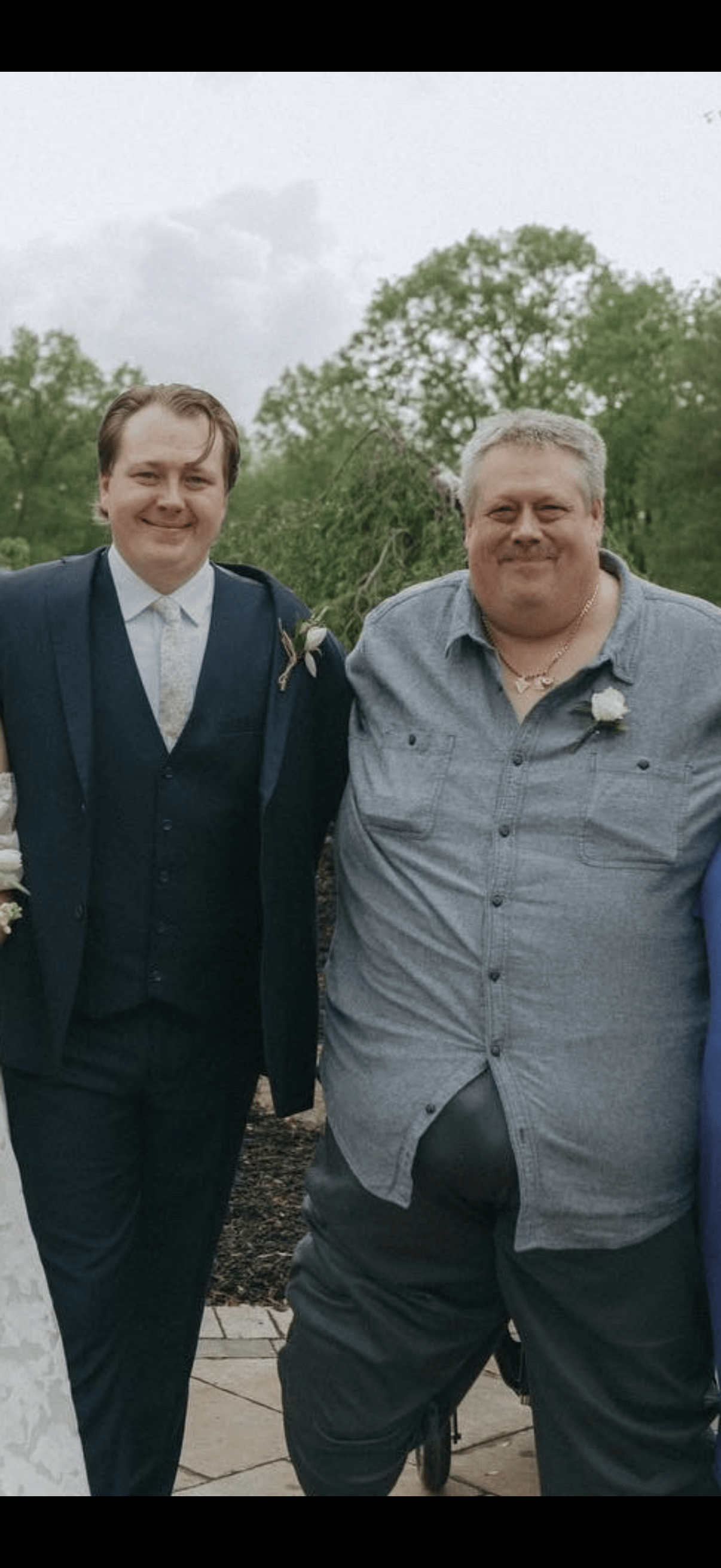
Tyler Whetsel remembers being seven years old and following his father, Bill Whetsel, around as he trained Transportation Safety Administration workers for tasks like baggage checks. Bill worked for TSA for years after his time in the Air Force and then with TWA . Tyler also observed his father’s need to be active and pursuing various hobbies —home renovation, building tiny home models, hydroponics, electronics recycling and solar farms. Bill, who died in February, had recalled, “My grandfather always said to look for a way to help out.” But in 2019, he was bored.
He was driving meals to disabled veterans when he learned, at an Orange County Veteran Task Force meeting, that 27 veterans in Orange County were homeless, compared to seven or less in nearby counties. He made housing homeless vets his project and launched the Rumshock Foundation nonprofit to carry out his plan for a cluster of tiny homes and job training, incorporating several of his hobbies.
Tyler, by then, was an adult and considered his father his “best friend,” he said. Tyler had received a master’s degree in protection management, following in his father’s footsteps at TSA.
“I was creating plans for when bad things happen,” he said. That included working for Goldman Sachs and, more recently, the New York Fire Department in crisis management. But he was also helping his father with his veteran housing project.
Meanwhile, Bill was struggling with health problems, including a leg amputation and diabetes.
“Since the Rumshock Foundation started in 2019 for the veteran housing project, my father has been sick,” Tyler said. “The day the first home was delivered on Dec. 18, he was in the hospital and being transferred to assisted care. It was a shock when he died, just a few weeks before he was supposed to go home. I’ll carry on his legacy.”
Bill had been staying in a New Jersey rehabilitation center for a few weeks when he died.
“For that short time the doctor there knew him he was in a good mood and the doctor didn’t know why,” Tyler said.
Bill was close to bringing Rumshock tiny homes to fruition. Now the Port Jervis Rumshock property on East Main St. has four tiny homes and a training center needing roofs and siding. In June, a ribbon cutting will celebrate having six of the planned 10 tiny homes on the site. The builders are BOCES students as well as contractor Joseph Barth, from Milford.
With 30,000 to 40,000 homeless veterans in the U.S., Tyler said, “We want to make an impact as soon as possible. We want to be sure we have enough money. The million dollars attained by Congressman Patrick Ryan was great but not a lot.”
He hopes for volunteers to help with sheet rock, cabinets and plumbing and ultimately building 50 or more houses to demonstrate what is possible. He enthuses about the job training Rumshock will provide for hydroponic gardening, growing microgreens and doing electronics recycling— work Tyler says disabled veterans could do that had been Bill’s hobbies. Training in the trades is also part of the plan, as trade workers are in short supply. Transportation to Castle Point Veterans Administration Hospital and wheel chair accessible vans are on the Rumshock Veterans Foundation wish list too.
“We’re looking for teachers. Maybe we’ll partner with BOCES,” Tyler said.
To help with any of these needs, contact and other information is at RumshockVF.org.
Community focused news can only succeed with community support. Please consider the various subscription levels.
Beautiful story. It's too bad the political leadership of Port Jervis allowed that drug den to open up right next door to this veterans' village.