Autism Support Evolves in Pike County
Innovative gatherings and a residential community are in process.

Jeannemarie Passaro recalled her son’s early years 30 years ago, when a doctor assured her that he was just a little late in learning to talk.
“He had learned a few words by the time he was 18 months, and then they went away. He was hypersensitive about having his hair and nails cut,” she said, attributing the issue to Sensory Integration Disorder. “With tags on clothing, he would take off the clothing or cry and pull at it. He didn’t like shoes on his feet and was always taking them off. Certain materials felt soft to us, but sharp and scratchy to him. The same with smells, a turkey in the oven on Thanksgiving, he would gag and sometimes vomit at smells that we find wonderful. Same with noise. He can hear the buzz of fluorescent lights, and it would drive him nuts. When a baby cried, he would cover his ears and become very agitated.
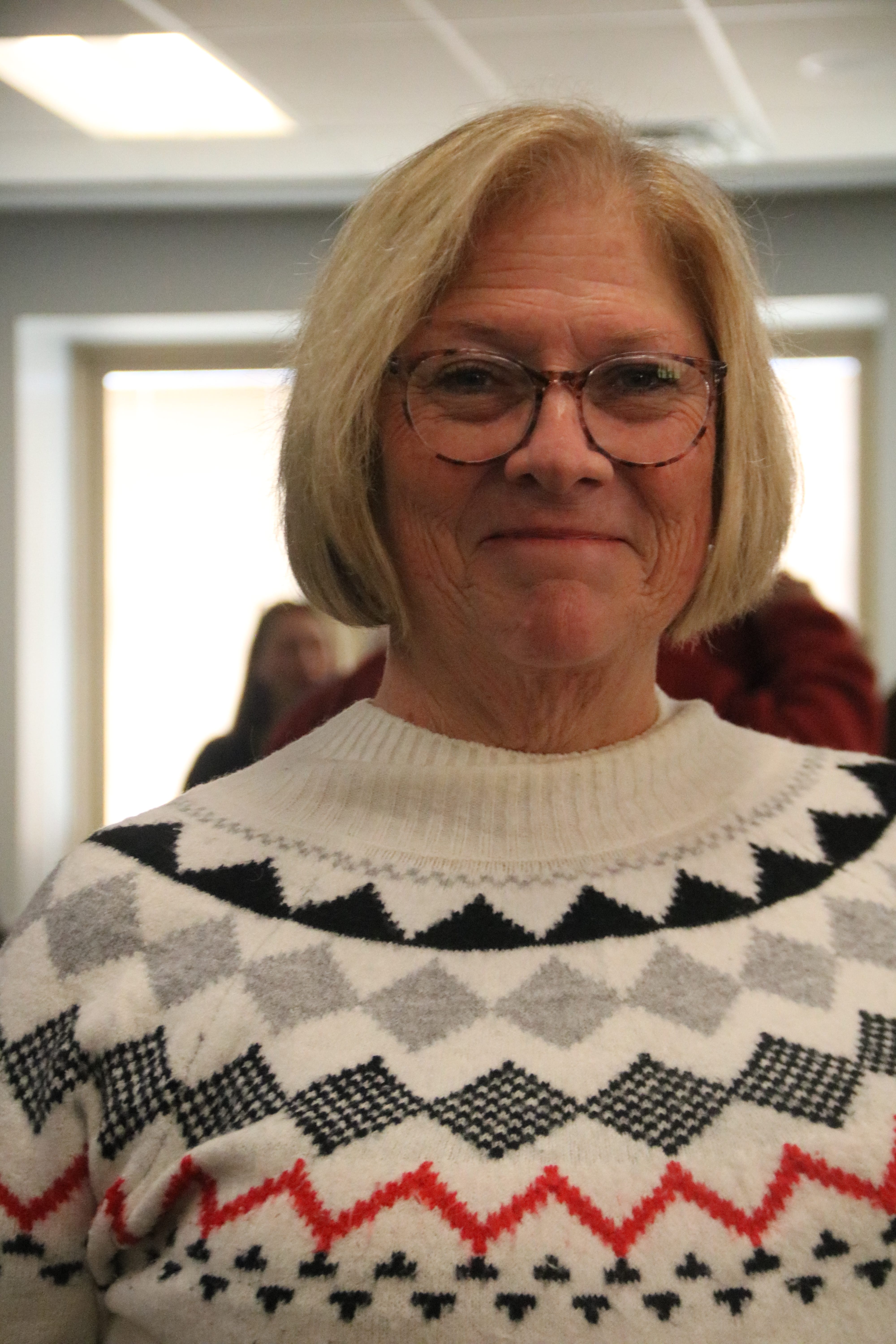
“We went to several pediatricians. They said that new moms expect too much. My mother had five kids. She said, ‘Follow your gut.’”
After visiting doctors in Pike County, Passaro went to a pediatric neurologist in Scranton who diagnosed Evan with autism.
Then the Passaros took their son to the Center for Developmental Disabilities in Milford, where they encountered other parents who were in an autism support group at Newton Hospital, where their children received therapeutic services.Many need speech services throughout their lives. Ongoing speech therapy is a common need among many individuals.
“Many need speech services throughout their lives,” Passaro said. “Milford has no speech therapists. Some hospitals offer outpatient services. It’s heartbreaking. There are always waiting lists.”
The Passaros eventually worked with other parents in the Milford area, whom they met at CDD and Newton Hospital, to create a nonprofit, Pike Autism Support Services (PASS), with offices at 201 Broad St. to provide multiple kinds of support for families. The Autism New Jersey organization, created by parents, inspired the Pike County parents, as they collaborated to find behavioral support and therapeutic staff for both home and school. They learned to use IPads with special software, used in Delaware Valley School District to facilitate communication.
Autism rates are increasing, with one in 34 children being diagnosed, Passaro said. She attributes the increase to better diagnostic capabilities and unidentified environmental influenceses. She noted that this is the 30th year for PASS.
“Now doctors are more aware.” she said. “They identify autism signs and develop action plans for speech and behavioral therapy. Many adults were more recently diagnosed. When they were younger, they were misdiagnosed and put on meds. Parents thought they were bad kids. Now parents don’t wait so long.”
According to the Mayo Clinic website, “Autism, or autism spectrum disorder (ASD), is a neurodevelopmental disorder characterized by challenges in social communication and interaction, along with restricted and repetitive patterns of behavior. It affects how individuals perceive and interact with the world around them, leading to difficulties in understanding social cues and forming relationships. The term “spectrum” reflects the wide range of symptoms and severity that can occur.”
“We offer support for parents and high functioning adults with autism, often with late diagnoses,” Passaro said. Some have served in the military. I get calls from people in their thirties. Social interactions involving social cues and body language may be difficult with siblings, peers and mates.
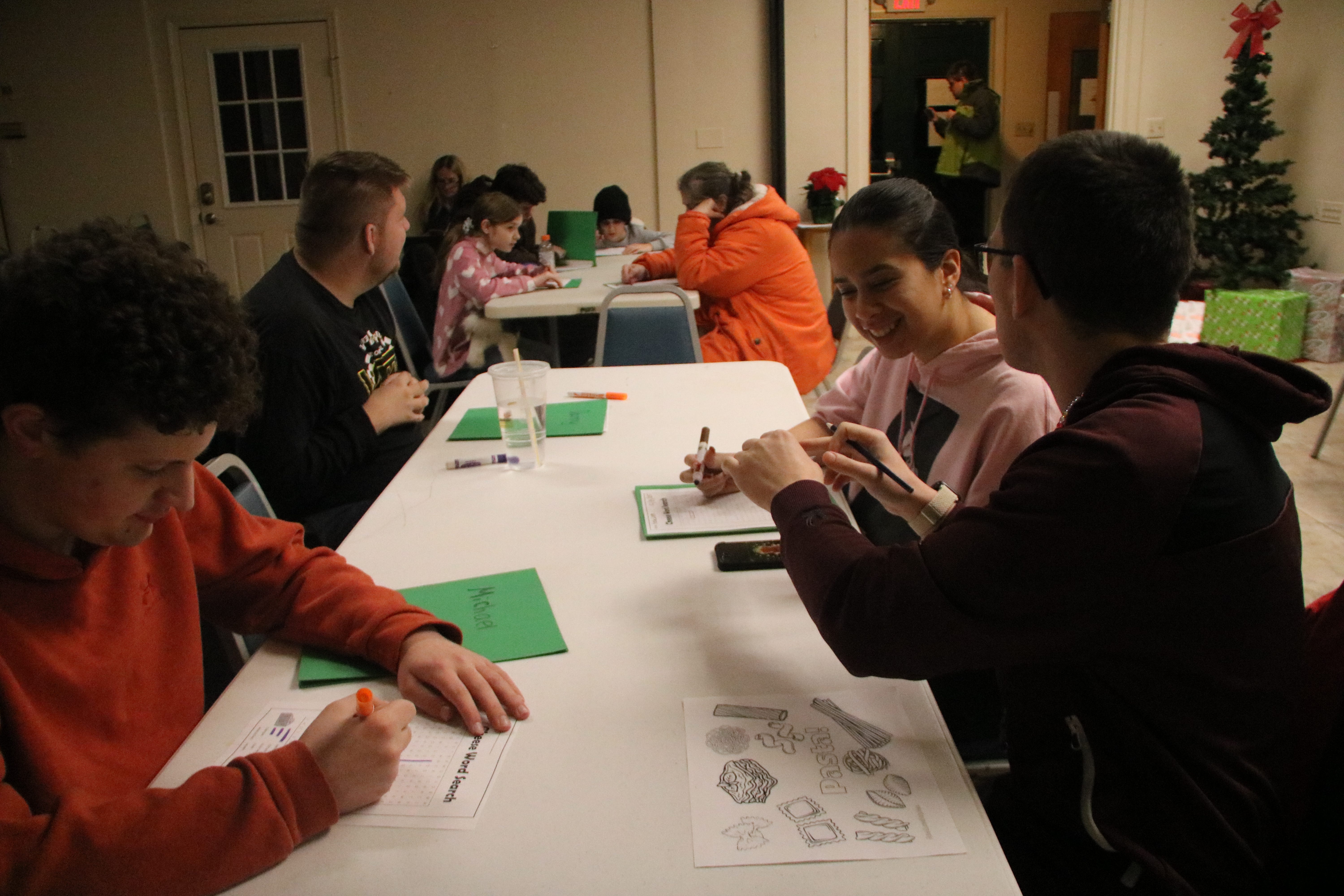
PASS provides classes in cooking, art, and social skills, and offers support groups, one for caregivers and one for high-functioning teens and adults on the spectrum.PASS also offers scholarships for therapeutic horseback riding, classes, and iPads.
PASS offers scholarships for assistance for those with difficulty communicating or who are nonverbal. They also provide social programs, including Challenger baseball, with teams for children and for those 14 and older and cooking classes that welcome all ages. A new activity, held only twice so far, is “speed-friending” for the neurodivergent who may have high anxiety and be socially awkward, says Passaro.
“They sit across from each other at a table on which they find a card with suggested questions to ask each other until a timer goes off. Then they have pizza and drinks.”
On Friday, Feb. 13, a Valentine’s Day dance will be held at St. Patrick’s Catholic Church in Milford, with dancing, food and craft activities. Another speed-friending event will happen on Feb. 26 at Docks in Hawley.
Despite their challenges, Passaro notes the assortment of talents that people with autism may have. She has seen high skill in art and theater, for example.
“My son can’t converse, but he can read music and play piano,” she said.
These days, she and her husband and others involved in PASS are planning for the future when they may be unable to oversee the lives of their autistic children. Independence Village is their $21 million vision, providing for some independence as well as interdependence for about 60 people. Two thirds would have IDD, and others would be seniors and others seeking affordable housing, who could participate in management, mentoring, therapeutic and supervisory assistance, for instance making sure residents take their medicines and helping if someone has a seizure.
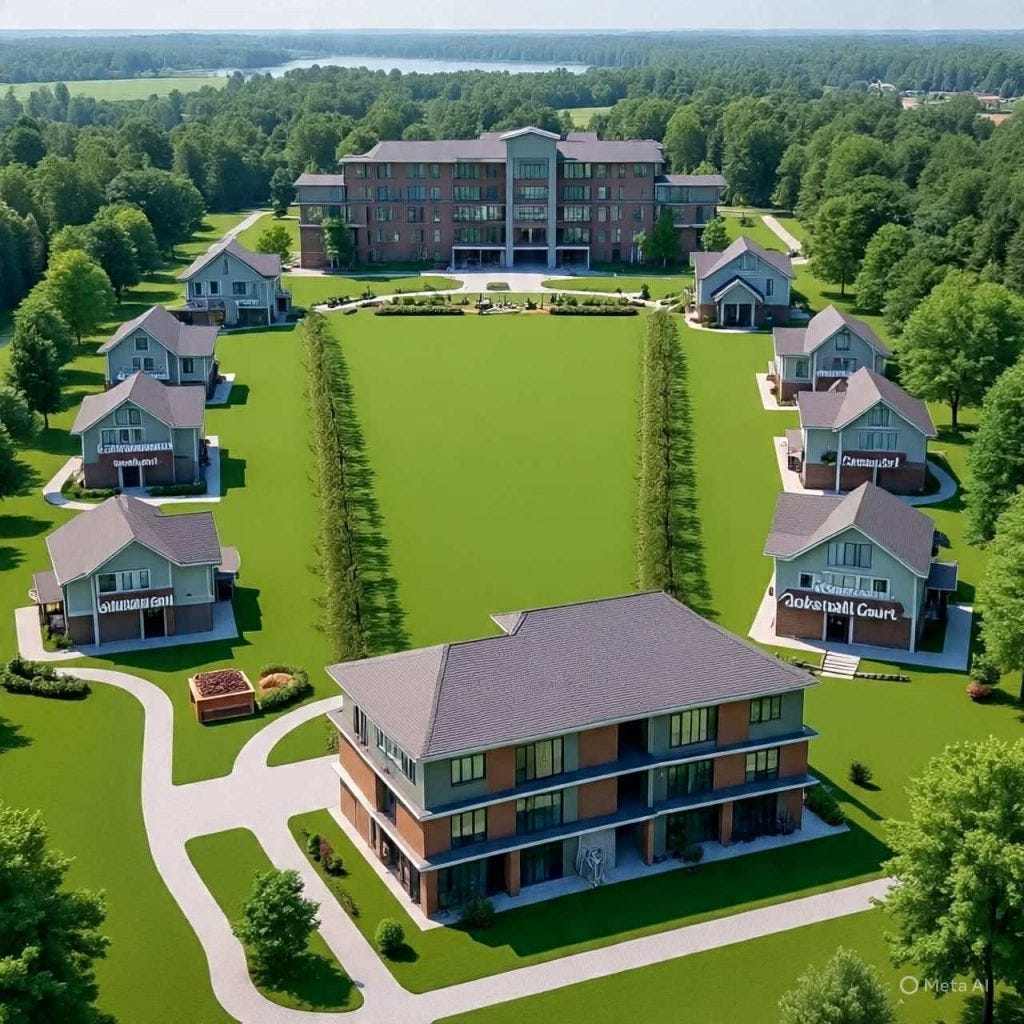
The village will include eight small homes to house one or two people each, plus a two story apartment building with one and two bedroom apartments, along with sensory and gathering rooms on each floor.
Passaro opposes the idea of a group home for Evan, now 34.
“You can’t choose who you live with. They may be people from elsewhere who you don’t know,” she said.
Evan knows people from Pike County schools and from his activities, such as bowling.
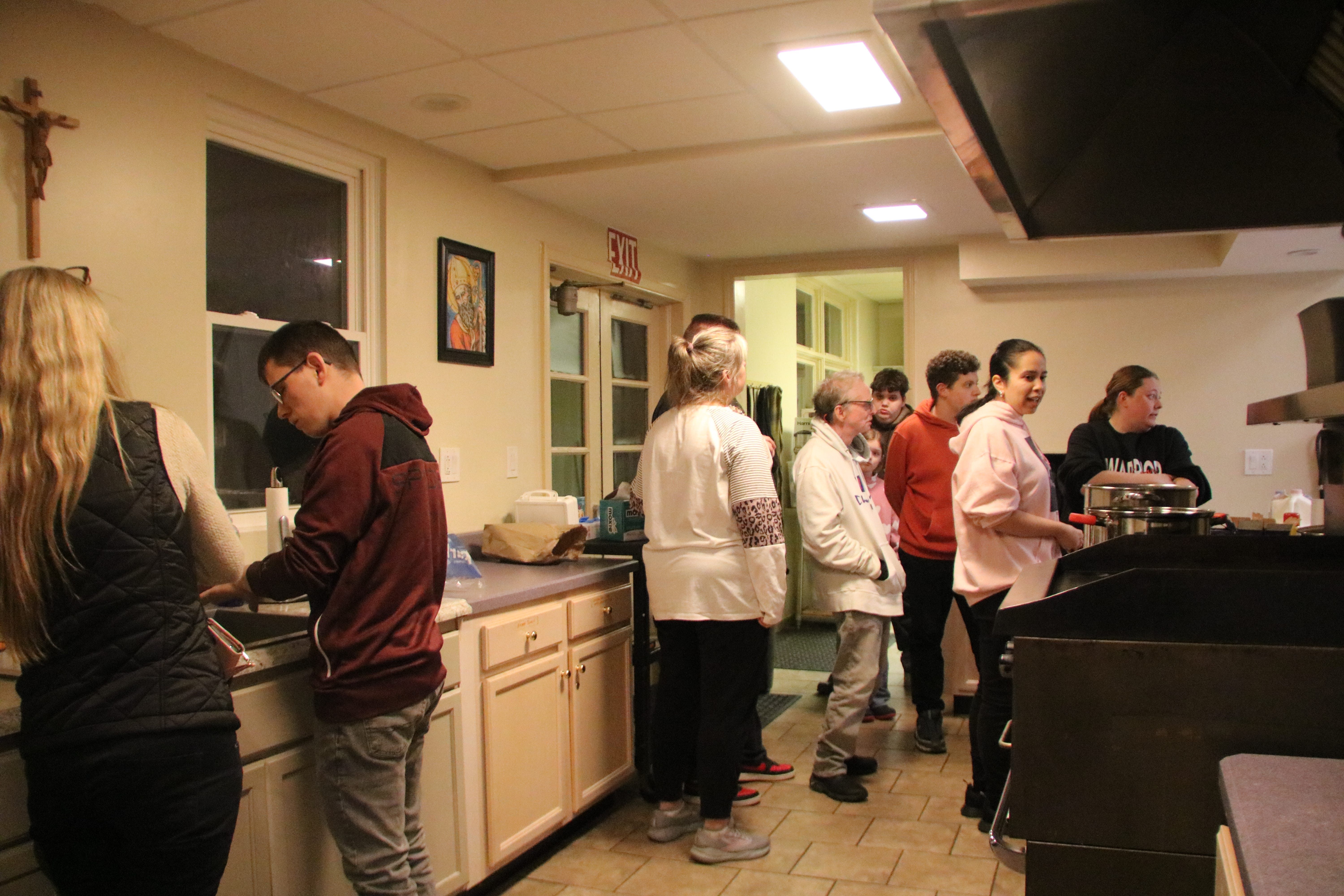
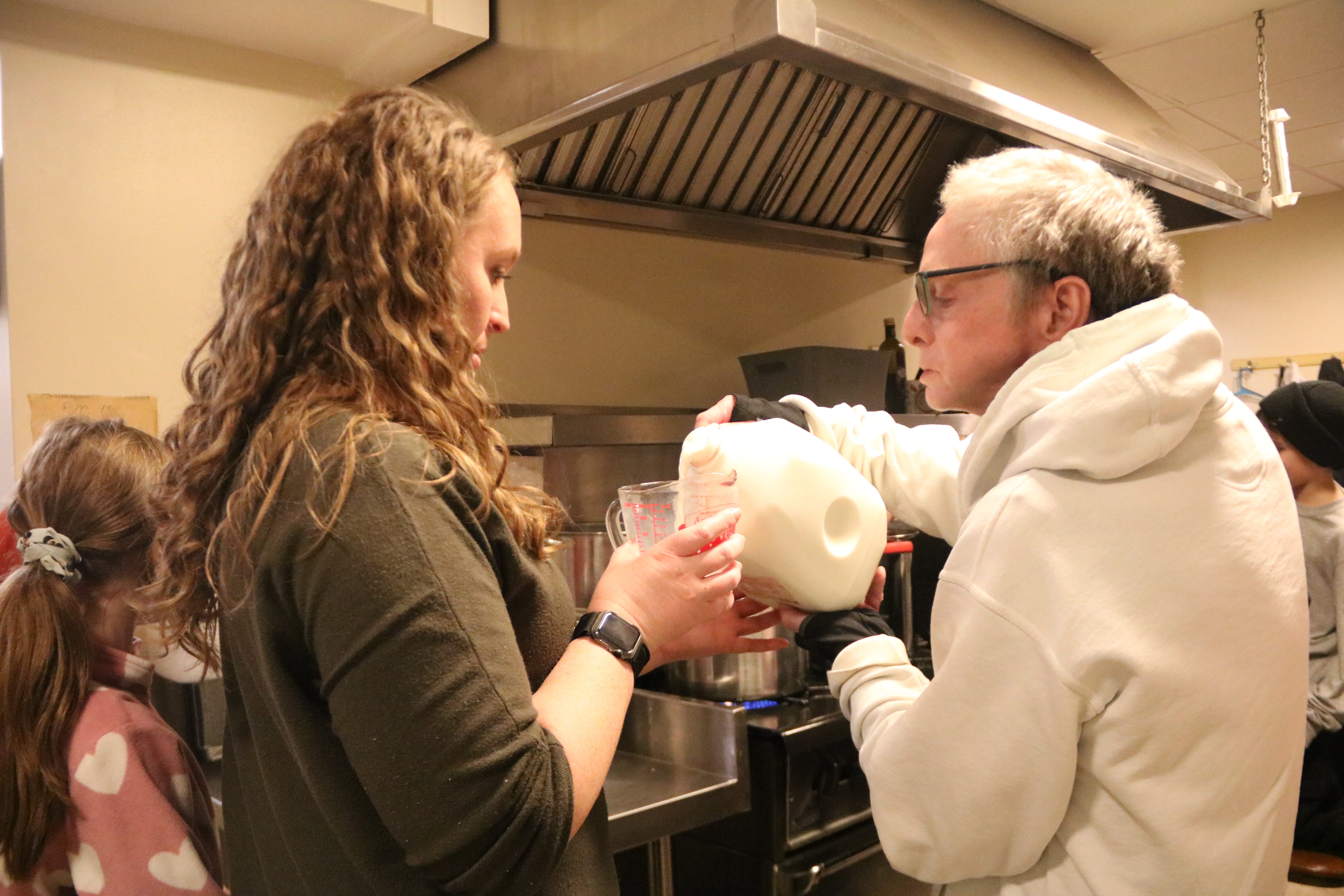
On a recent evening, a group of about 15 people on the autism spectrum, age 11 to late forties, accompanied by family, teachers and other care-givers, gradually arrived at St. Patrick’s Church Social Hall in Milford for a cooking class, where they would learn to make macaroni and cheese, as well as hot dogs, either boiled or grilled. The teacher was Lauren Monteith, whose day job is doing autism support for third to fifth grade students at Dingman Delaware Elementary School. The cooking class is popular.
“We aim to keep the class size between 12 and 15,” Passaro said. “There have been times when we need to split it into two days due to high enrollment. The class has been offered two to three times a year for the past 3 years.”
“Everyone takes turns doing tasks and other activities,” said Monteith. “They can take recipes home.”
Previously, they made spaghetti and meatballs, tacos and French toast, among other dishes, she said. The students cycle through cooking tasks—grilling hot dogs or putting them in a pot of boiling water, draining macaroni and pouring melted cheese over it, guided by Monteith.
Several other adults who work in autism support assisted Monteith with preparations, as the students gathered at tables, chatting cheerfully or working on drawings or coloring books. A few sat alone or wandered about repeating gestures or sounds. One teen spoke at length about cars and their details.
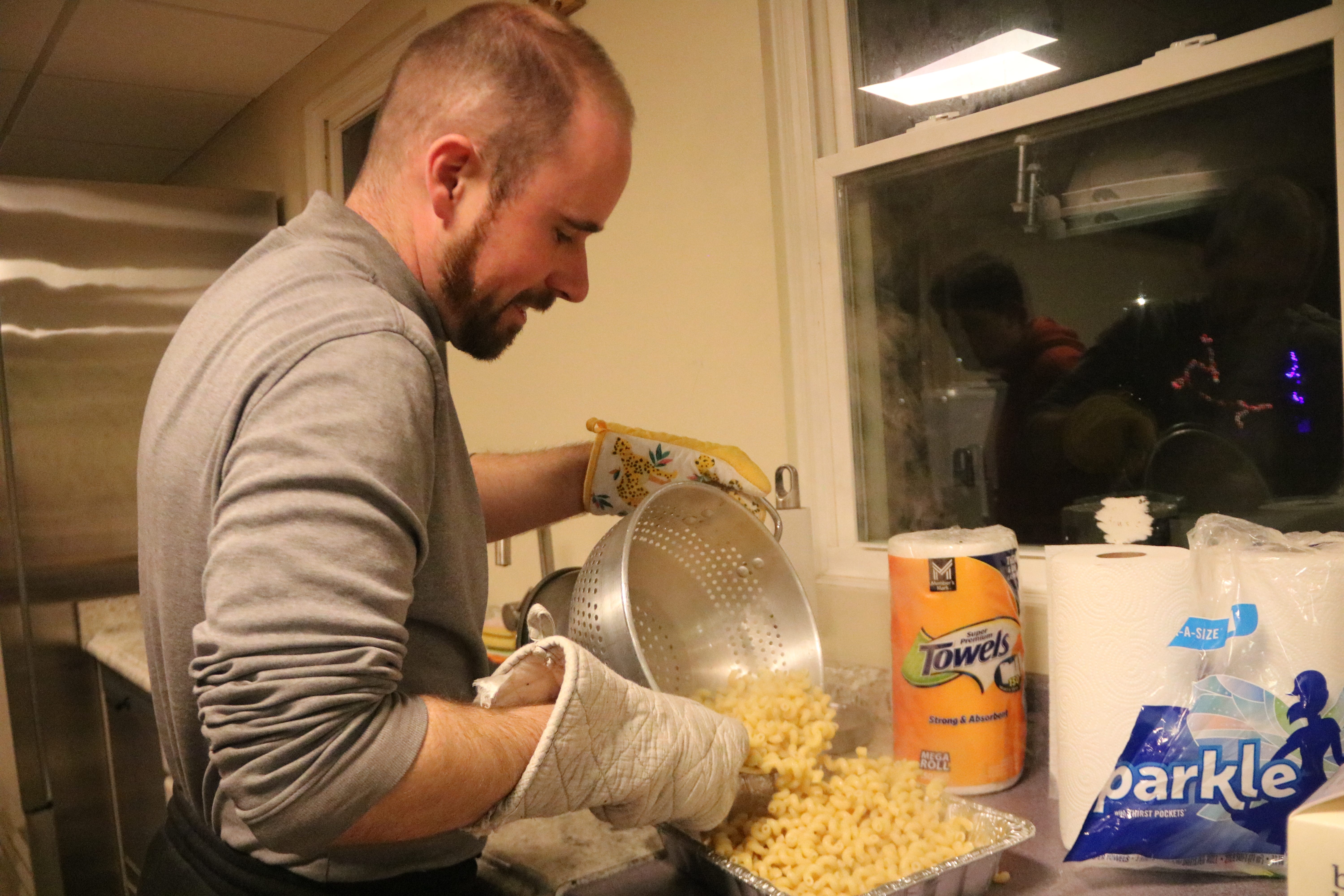
John Kelly has been attending the class for two years, he said.
“I enjoy socializing and learning different ways to cook,” he said, echoing what several others said, including Stephen, 49.
“I spend time with friends, talk and help out as much as I can,” Stephen said. “I like to make grilled cheese sandwiches and hamburgers, assisting my brother-in-law. “I do it repeatedly, so I learn to do it. I clean as I cook.”
For work, he has been making fittings for construction for five years, he said.
The students remember foods they enjoyed making and eating, but because they each do only a part of the process, they are unlikely to remember the steps.
“The kitchen has its limitations,” said Passaro. “We could do much more with the class if we had a larger, better-equipped kitchen to accommodate the number of students.”
She envisions having a large kitchen with a big center island to enable teaching more cooking skills when Independence Village is actualized.
Community focused news can only succeed with community support. Please consider the various subscription levels.
Page 3
After visiting Doctors in Pike County, Passaro went to a pediatric neurologist in Scranton who diagnosed Evan with autism.
Ongoing speech therapy is a common need among many individuals.
Many need speech services throughout their lives.
Parents wait for a year – I’d change to .. There are always waiting lists.
Page 4
Some have served in the military.
And at the bottom ….
PASS provides classes in cooking, art, and social skills and offers support groups, one for caregivers and one for high-functioning teens & adults on the spectrum.
Page 5
PASS offers scholarships for therapeutic horseback riding, classes, and iPads.
I would prefer challenges (vs limitations)
Coat of Independence Village is $20 Million
Thank you again , really appreciate it

Wow! This is an awesome article and VERY heartening! As a classroom teacher of 38 years, using the qualifier "spectrum" is SO important, as each child/adult is unique, and has his or her own abilities (and disabilities). One size does NOT fit all. Supporting ALL our humans is long overdue!! Kudos to these parents and programs!